
Coffee with a Story,
Coffee with a Purpose.


MANIFESTO
We believe coffee can be more than a drink.
Coffee can be a bridge, between farmers and drinkers, between tradition and innovation, between the earth and those who care for it.
Our mission is simple yet ambitious: to champion independent Brazilian coffee farmers who are committed to farming sustainably and to share their specialty coffee with the world.


Across the week, Macaw was a consistent presence as the Summit unfolded—from high-level meetings and The Impact Assembly through to the Awards Night at the iconic Museu do Amanhã. For the first time, events extended along “Earthshot Boulevard,” a vibrant, open-air stretch linking the museum to Pier 3, designed as a space for public engagement, climate dialogue, and immersive environmental art.
Here, and throughout the Summit, we created moments of connection over coffee—bringing the Earthshot community together through a shared experience that connected cultivation to conversation, and local origins to global ambition.

Earthshot Coffee
During The Earthshot Prize and Earthshot Week in Rio de Janeiro in November 2025, Macaw hosted coffee farmer and Tribal Chief Almir Suruí—a visionary Amazonian leader of the Paiter-Suruí—to welcome the new cohort of 15 Earthshot Finalists.
Through his words, presence, and the serving of his community’s robusta coffee, the gathering was rooted in Brazilian ecosystems and Indigenous wisdom, offering a powerful reminder of the knowledge systems that underpin a more sustainable future.

Notpla is one of the United Kingdom’s most exciting sustainability innovators, developing pioneering packaging materials made from seaweed and plants to replace single-use plastics. Founded in London, the Earthshot Prize-winning company has become internationally recognised for creating naturally biodegradable alternatives that can disappear harmlessly back into nature, without leaving behind microplastics or toxic residues.


Macaw co-hosted an evening at the Science Museum exploring The Science of Coffee—a conversation that brought together farming, trade, taste and sustainability into a single, connected story.
Set within one of the world’s leading institutions for science and innovation, the event traced coffee’s journey from bean to cup, revealing the intricate systems—ecological, cultural, and technological—that shape every brew.
The Science of Coffee at The Science Museum
Our guests heard from specialty sustainable coffee producers in Brazil: Celesty, from the Surui Tribe in Amazon rainforest in the state of Rondonia who shared her tribe’s history with coffee; Paula and Marcelo from 3 Meninas Farm in Cerrado in Minas Gerais, who described the best of regenerative agriculture while producing the highest quality coffee and the impact in the ecosystem of the region; and Adriano Muniz at Das Almas farm in Cabo Verde - Minas Gerais, a third generation coffee farmer, whose award winning and sustainably grown coffee was served during the evening.


With a welcome from Giovana Zocoli, a keynote speech from Brazil’s Ambassador to the United Kingdom Antonio Patriota and a programme moderated by David Fein, the evening convened voices from across the coffee and sustainability landscape. Contributions from Lucas Garcez, Rafaella Siqueira, and Pierre Paslier shared first-hand perspectives from Brazilian producers, the global dynamics of coffee trade, and innovations shaping more responsible materials and supply chains.
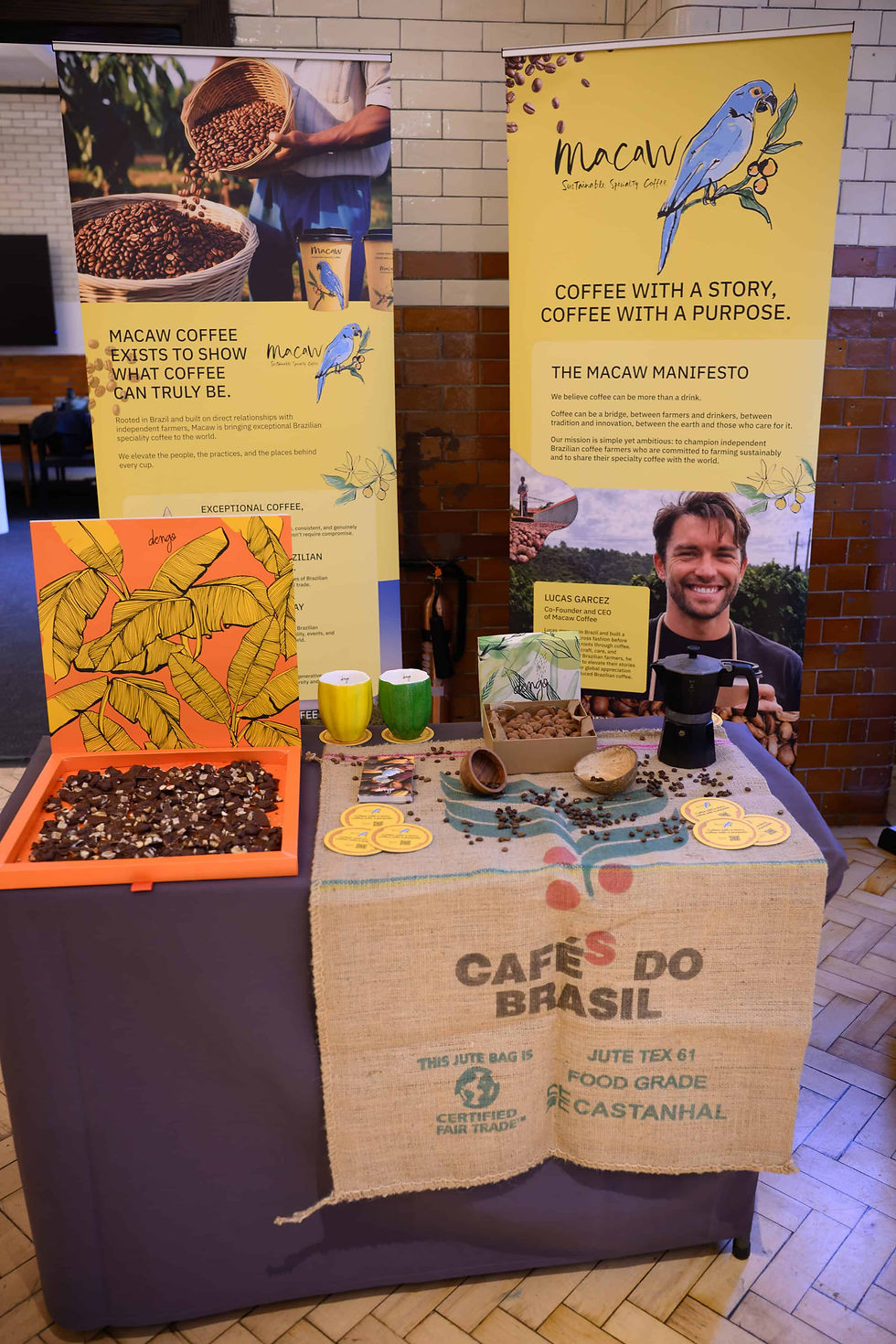
Macaw was so pleased to bring Dengo Chocolate to London. Dengo, founded in Brazil, has become internationally recognised for its commitment to ethical sourcing and celebrating the richness of Brazilian cacao, working directly with producers to support biodiversity, fair incomes, and exceptional craftsmanship.
Central to Notpla’s latest work is its development with Macaw of the world’s first truly plastic-free espresso cup, coated with seaweed rather than the thin petroleum-based lining found inside conventional paper coffee cups. First piloted during Earthshot Prize Week in Rio de Janeiro, the cup represents a major breakthrough in rethinking one of the world’s most ubiquitous everyday objects, demonstrating how material science, design, and environmental innovation can come together to transform the future of coffee culture and sustainable hospitality.


Through tastings of filter coffee and espresso martinis and Dengo chocolate, Macaw created a space where science meets story—connecting those working at origin with those shaping the future of consumption. The evening reflected Macaw’s ongoing commitment to transparency, sustainability, and a deeper understanding of coffee as both a product and a living system.
EVENTS

Macaw supported the London launch of the Jaguar Rivers Initiative at The Science Museum—a bold, transboundary effort to restore and reconnect ecosystems across the Paraná River Basin in South America.
Bringing together conservation leaders, scientists, and environmental partners, the event marked the beginning of an ambitious collaboration focused on biodiversity, habitat regeneration, and the long-term resilience of one of the continent’s most important river systems.
Jaguar Rivers Initiative at The Science Museum April
Throughout the evening, Macaw served sustainably sourced Brazilian coffees and its signature espresso martinis, creating moments of connection that echoed the event’s themes—linking landscapes to livelihoods, and local ecosystems to a shared global responsibility.


The evening featured a panel moderated by David Fein, with founding partners Sofia Heinonen, Mario Haberfeld, Ivan Arnold, and Yan Esperanza, alongside a welcome and introduction from Museum Director Ian Blatchford.
Set within a community dedicated to social and environmental impact, the event underscored the role of collective action—and everyday choices—in addressing one of the most pervasive, yet often unseen, challenges of our time.


Macaw joined a high-profile gathering at The Conduit Club for The Plastic Detox—an evening of discussion and exchange marking the global launch of the Netflix documentary The Plastic Detox.
Centred on the theme “Microplastics: The Hidden Problem,” the event brought together scientists, campaigners, and innovators to explore a growing health crisis: the impact of plastic-derived chemicals on human biology.
The conversation moved beyond waste and pollution to focus on how microplastics enter the body through everyday materials—from packaging to textiles—and the implications this holds for fertility, development, and long-term health.
The Plastic Detox at The Conduit Club
Throughout the evening, Macaw co-founder Lucas Garcez hosted tastings of Macaw coffee and espresso martinis, creating moments of connection that complemented the urgency of the dialogue.


The programme included a discussion moderated by David Fein with Earthshot innovators Pierre Paslier and Anthony Kolanko.
These moments also reflect Macaw’s commitment to reducing waste, supporting plastic-free, compostable coffee cups developed by Earthshot Prize winner Notpla, and championing innovation that protects the planet.
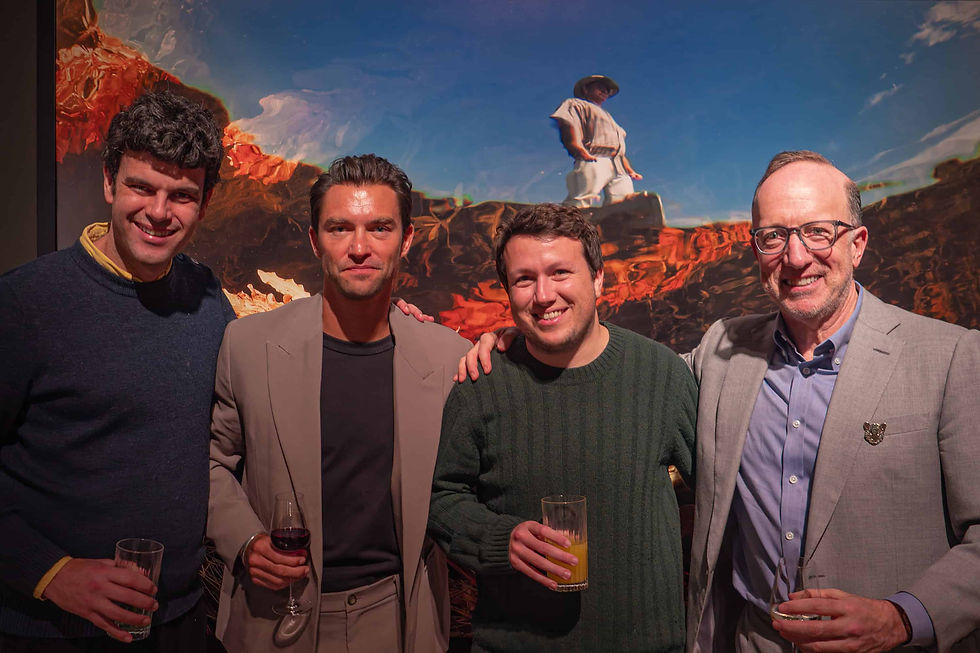
Underlying all of this is a shared commitment to the Pantanal itself. Macaw’s story and purpose are deeply inspired by its conservation partner, Onçafari, whose work spans four Brazilian biomes and combines scientific research with community engagement. Through its support of the Hyacinth Macaw Project, Onçafari helps protect viable wild populations of the hyacinth macaw while strengthening conservation across the entire ecosystem — a mission that reflects the values behind every cup of Macaw Coffee.
Together, these partnerships come to life in shared moments. People, places, and purpose meet around coffee — celebrating collaboration, community, and a collective commitment to protecting living landscapes, supporting those who care for them, and turning everyday rituals into meaningful connections.


Macaw Coffee supports the arrival in London of Water Pantanal Fire, a powerful photography exhibition at The Science Museum revealing both the beauty and fragility of the Pantanal, the world’s largest wetland.
To mark the exhibition’s opening, Macaw is serving sustainably grown Brazilian specialty coffee at events that bring people together around a shared appreciation for nature, culture, and conservation. Born in the Pantanal, Macaw’s story is deeply connected to the landscapes and wildlife portrayed in the exhibition.
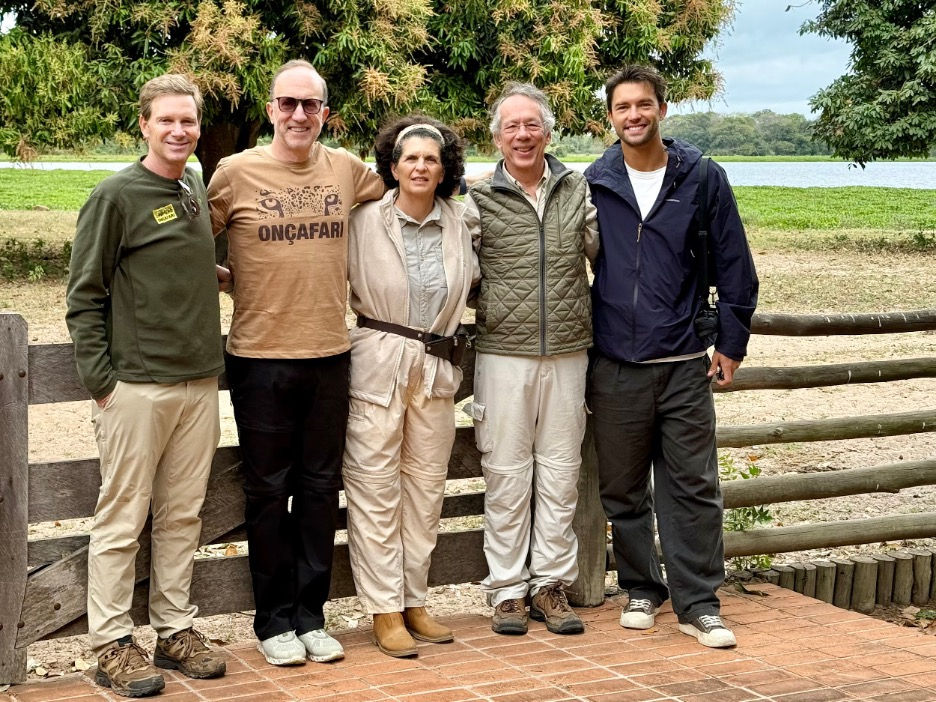
The coffee served comes from the Muniz family, who have been growing coffee in Minas Gerais since 1942, now represented by second- and third-generation farmers Adriano and Matheus Muniz. Their farms are Rainforest Alliance certified and managed through sustainability programmes spanning environmental stewardship, social responsibility, and economic resilience.
Luciano Candisani / Documenta Pantanal

Water Pantanal Fire

Macaw was honoured to take part in the 10th anniversary celebrations of the Museu do Amanhã—a landmark institution dedicated to exploring the future of our planet.
Marked by a high-profile gala dinner alongside a wider public programme, the occasion brought together partners, innovators, and cultural leaders to reflect on the role of science, design, and collaboration in shaping a more sustainable world.
Museu do Amanhã 10th Anniversary
Macaw co-founder Lucas Garcez hosted tastings of Macaw coffee, creating a sensory experience that complemented the celebration themes—inviting guests to engage more deeply with the stories, landscapes, and people behind each cup.

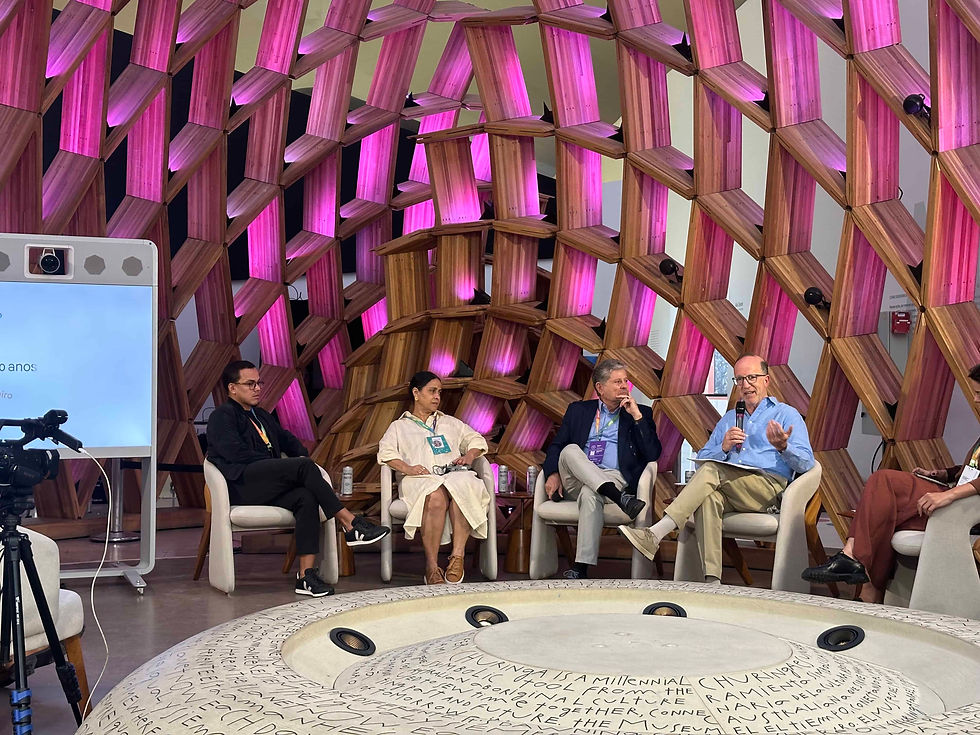
As part of the programme led by President Director Ricardo Piquet, Macaw co-founder David Fein spoke to the growing partnership between The Earthshot Prize and the museum, highlighting the Prize’s evolving legacy in Brazil and its connection to local ecosystems and communities.

Macaw Coffee was named where it was born: in the Pantanal, the world’s largest tropical wetland.
During our time there, we witnessed the return of the hyacinth macaw, a species once feared lost. Watching these deep-blue birds cross the flooded grasslands revealed a powerful story of renewal and resilience — a symbol of Brazil’s natural beauty.
We chose the name Macaw to reflect the spirit we want in every cup: regeneration over extraction, partnerships over transactions, and coffee that honours the landscapes and people behind it. That’s the positive energy we want to share.
OUR FARMERS
.png)
ALMIR
Although coffee cultivation is not part of the ancestral traditions of the PAITER SURUÍ People, it was adopted in a visionary and strategic way starting in the 1980s, as a sustainable alternative to strengthen the economy and social well-being within the Sete de Setembro Indigenous Territory. When colonizers invaded our land and introduced coffee planting, the PAITER SURUÍ people responded by developing a deep commitment to responsible production — combining traditional knowledge with technological innovation and sound environmental practices.
.png)
ZITO
The farm “Água da Mata” Located in Garça, São Paulo, between 640 and 700 meters above sea level, this coffee plantation is a benchmark for specialty coffees. It combines tradition, sustainable practices, and modern techniques to produce superior quality beans with a balanced flavor, intense aroma, and unique notes, while preserving local biodiversity.
LUCAS GARCEZ
CO-FOUNDER & CEO
Lucas Garcez is the Co-Founder and CEO of Macaw Coffee. He grew up in Vinhedo, in the state of São Paulo, where spirit, movement and discipline shaped his early years as a youth athlete in football and karate. For more than a decade, Lucas has lived and worked across the world’s fashion capitals, modelling for major brands and publications, and learning how culture, craft, and humanity travels across borders.
No matter how far he went, Brazil kept calling him back. On frequent returns home, Lucas’s passion for Brazilian coffee turned into something deeper, drawing him to coffee farms across the country, building relationships with the farmers themselves. Seeing the care, skill, and environmental responsibility behind great specialty coffee inspired Lucas. As he understood its value, he also observed how little of that story was understood globally.
With Macaw Coffee, Lucas is building a company rooted in respect: elevating the world’s appreciation of Brazilian coffee while championing the farmers who grow it sustainably, ethically, and with pride.
